Personalized At-Home Care Plans: Adjusting Services to Meet Senior Care Needs
Personalized home-based care plans serve as a critical factor in meeting the individual needs of elderly individuals. These plans initiate with detailed assessments that examine healthcare records, cognitive abilities, and unique preferences. By customizing services in this approach, caregivers can significantly boost the quality of life for elderly individuals. Nonetheless, the development of these plans is only the beginning. Understanding the continuous process of care planning demonstrates more significant implications for both senior citizens and their families.
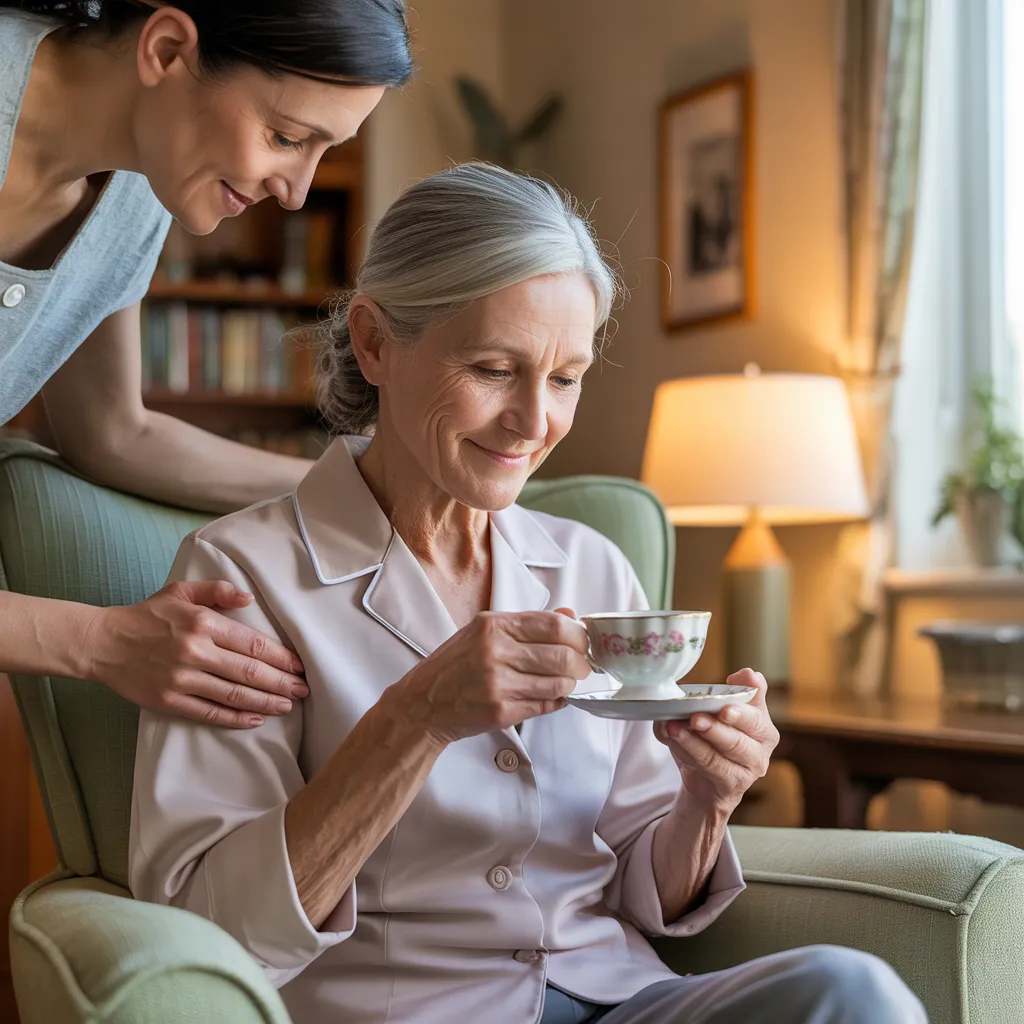
Why Individualized In-Home Care Plans Matter for Seniors
Why do personalized in-home care plans matter so much for seniors? Customized care plans meet the distinct needs of each senior, improving their quality of life. Seniors frequently face various health challenges, including mobility difficulties, chronic illnesses, and cognitive decline. A personalized approach makes certain that caregivers understand and accommodate these specific requirements, promoting both physical and emotional well-being.
Moreover, personalized care plans encourage a sense of independence among seniors, allowing them to retain control over their daily routines. When care is synchronized with personal preferences and lifestyles, seniors are more likely to engage in activities that bring them joy and fulfillment. In addition, personalized plans facilitate better communication between caregivers and seniors, making certain that any changes in health or preferences are promptly addressed. In the end, tailored in-home care plans not only boost overall health outcomes but also create a supportive environment that empowers seniors to flourish in their own homes.
Analyzing Personal Senior Care Needs
Analyzing individual senior care needs requires a thorough understanding of each senior's health status, preferences, and daily routines. This assessment starts with a thorough review of medical histories, including chronic conditions, medications, and physical abilities. It is essential to take into account cognitive function, as mental health plays a critical role in overall well-being.
Moreover, personal preferences related to daily activities, social interactions, and lifestyle choices need to be taken into account. Participating in conversations with seniors and their families can yield valuable insights into their wants and expectations for care.
Tracking everyday activities helps recognize particular difficulties, for example movement difficulties or challenges in personal hygiene. Collectively, these elements form a comprehensive understanding of the person's needs, enabling caregivers to establish an effective and nurturing care environment. This thorough assessment functions as the cornerstone for developing a personalized at-home care plan that accommodates each person's specific circumstances.
Important Elements of a Tailored In-Home Care Plan
A well-structured in-home care plan encompasses several crucial elements personalized for the unique needs of each senior. Initially, a complete assessment evaluates the senior's social, emotional, and physical needs, building the foundation of the plan. Then, defined care goals are set, making certain they reflect the senior's preferences and values.
Another vital component is the assignment of qualified caregivers, who should hold the essential skills and training to satisfy the client's needs. An effective communication strategy is also essential, facilitating regular updates among caregivers, family members, and healthcare professionals.
In addition, the plan should feature a schedule of services that outlines frequency and duration, allowing for flexibility as needs change. Finally, ongoing assessment and adjustments are crucial, ensuring the care plan remains effective and relevant in addressing the senior's developing circumstances. These elements work together to create a supportive and personalized in-home care experience.
How Can Family Members Support Care Planning?
While moving through the complexities of care planning, family members fulfill an important role in seeing to it that a senior's needs are addressed effectively. They can initiate by actively engaging in discussions regarding the senior's wishes, health conditions, and daily routines. This input is extremely learn now valuable for creating a comprehensive care plan tailored to individual requirements.
Relatives can likewise aid in research and identify fitting in-home care options, like personal care helpers or companionship, guaranteeing that the selected solutions suit the older adult's lifestyle. Moreover, they can support coordinating schedules and handling correspondence with healthcare practitioners, ensuring a unified approach to care.
The emotional support that families offer is similarly important; it can ease feelings of isolation that seniors may experience. By promoting an open dialogue and being participating in the care planning process, family members can greatly enhance the quality of care, ultimately contributing to a more supportive and effective environment for the senior.
Monitoring and Refining Customized Care Plans Overtime
Due to shifts in health, lifestyle, or personal preferences, seniors' needs develop, making it necessary to regularly examine and revise their personalized care plans. Continuous evaluation guarantees that the services provided remain aligned with the individual's current circumstances. Frequent discussions with healthcare professionals, caregivers, and family members can pinpoint areas requiring adjustment, whether due to deteriorating health, greater mobility, or modifications in daily routines.
Monitoring developments and obstacles facilitates prompt interventions, improving the quality of life for seniors. Furthermore, utilizing feedback from the seniors themselves encourages a sense of autonomy and respect for their personal preferences.
Care strategies must be flexible, adapting to updated medications, treatments, or support services. By focusing on these evaluations, caregivers can take proactive action, confirming that each senior receives the most fitting and effective support. This sustained process is essential for preserving the self-respect and autonomy of older adults as they navigate their developing needs.
Questions & Answers
How Much Do Personalized In-Home Care Plans Cost?
Costs for personalized in-home care plans can vary greatly, typically ranging from $20 to $100 per hour, depending on the services required, caregiver experience, and location, with additional fees for specialty care or equipment.
How Do I Find the Perfect Care Provider?
To pick the right care provider, one should examine certifications, experience, and services provided. Moreover, gathering recommendations, checking reviews, and conducting interviews can help guarantee the provider aligns with individual care needs and preferences.
Is Service Adjustment Available for Temporary Situations?
Absolutely, services are adjustable for short-term requirements. Service providers usually present flexible options, enabling changes depending on brief situations, ensuring that clients receive appropriate support throughout variable or shifting times in their wellness or living conditions.
Is Insurance Coverage Available for Personalized Care Plans?
Insurance benefits for individualized care plans differs by insurance company and coverage type. Certain policies may encompass particular in-home services, while some may exclude them. It's vital for individuals to reach out to their insurance copyright for specific coverage details.
What's the Best Way to Communicate With Caregivers?
Successful communication with caregivers requires clear, concise instructions, active listening, and regular feedback. Establishing trust and open dialogue cultivates a collaborative environment, guaranteeing that caregivers comprehend the needs and preferences of those receiving care.